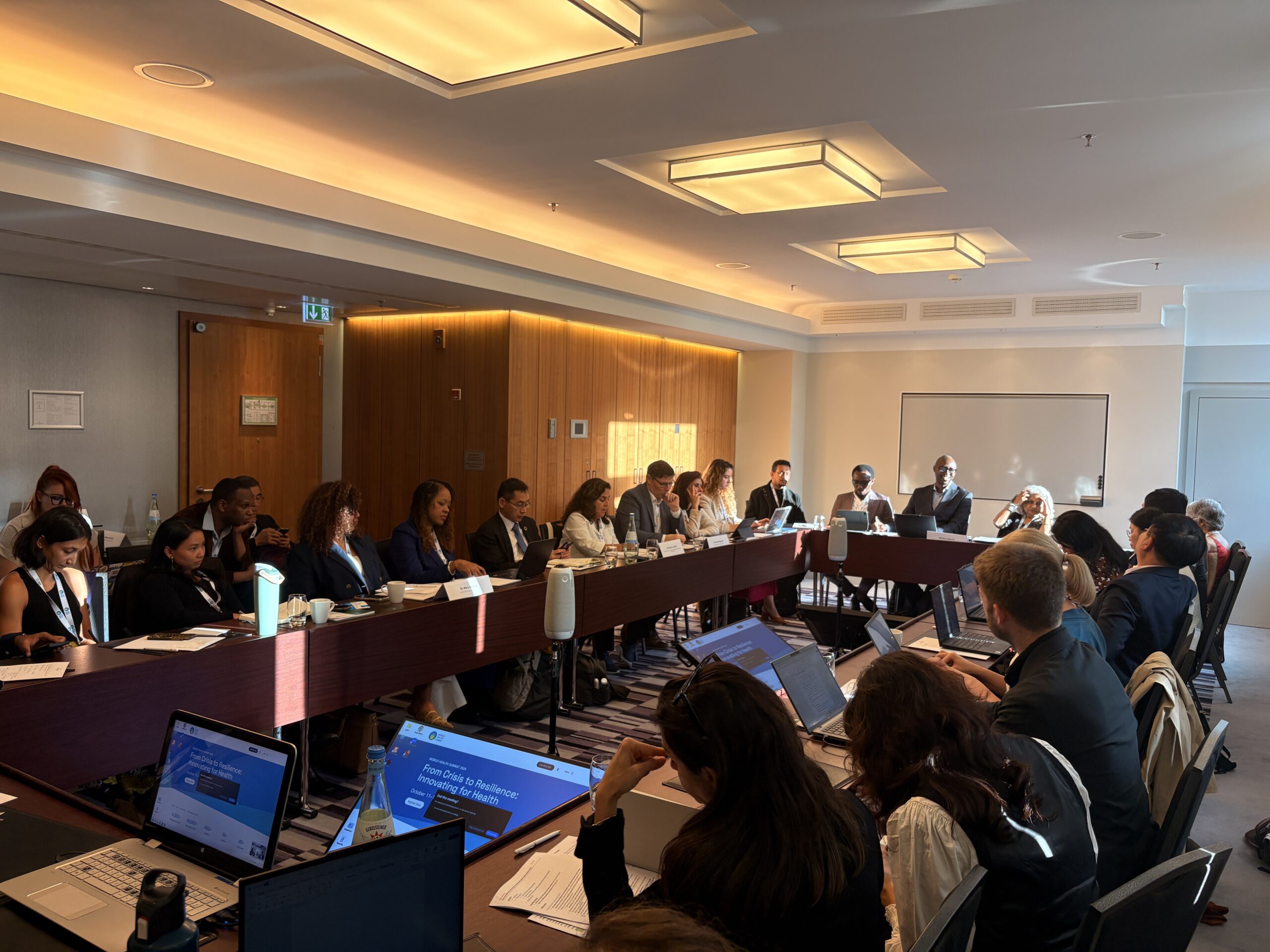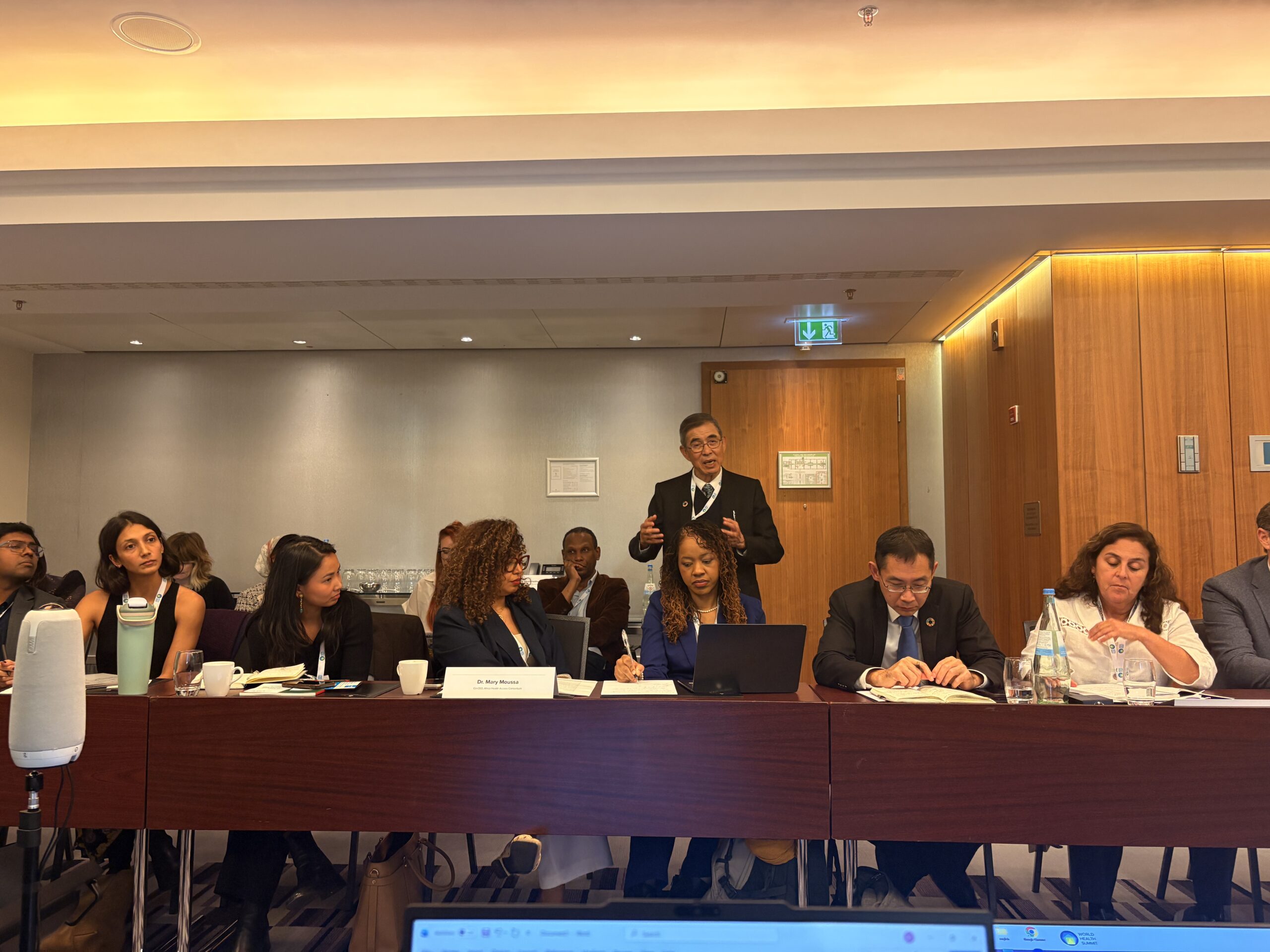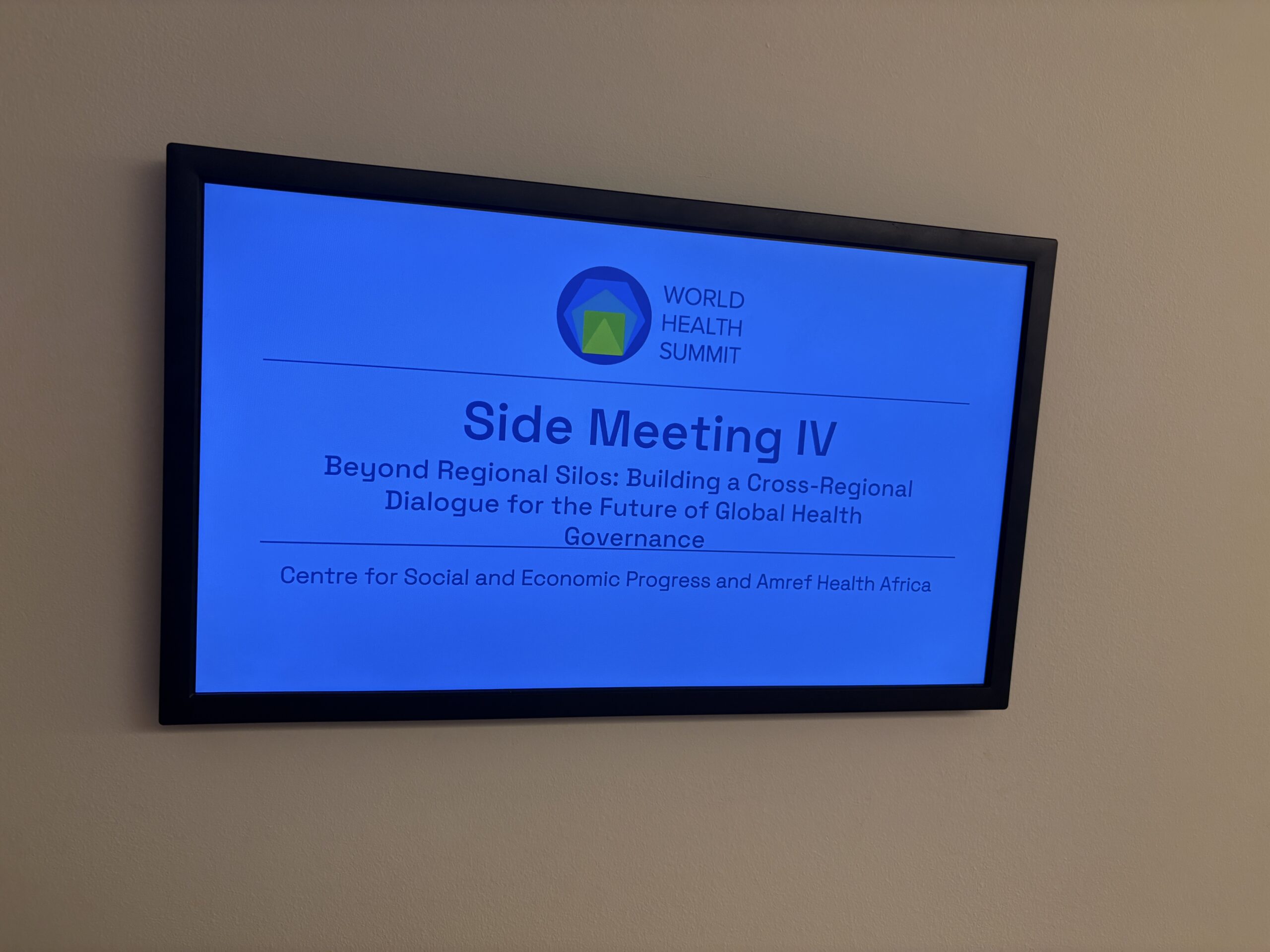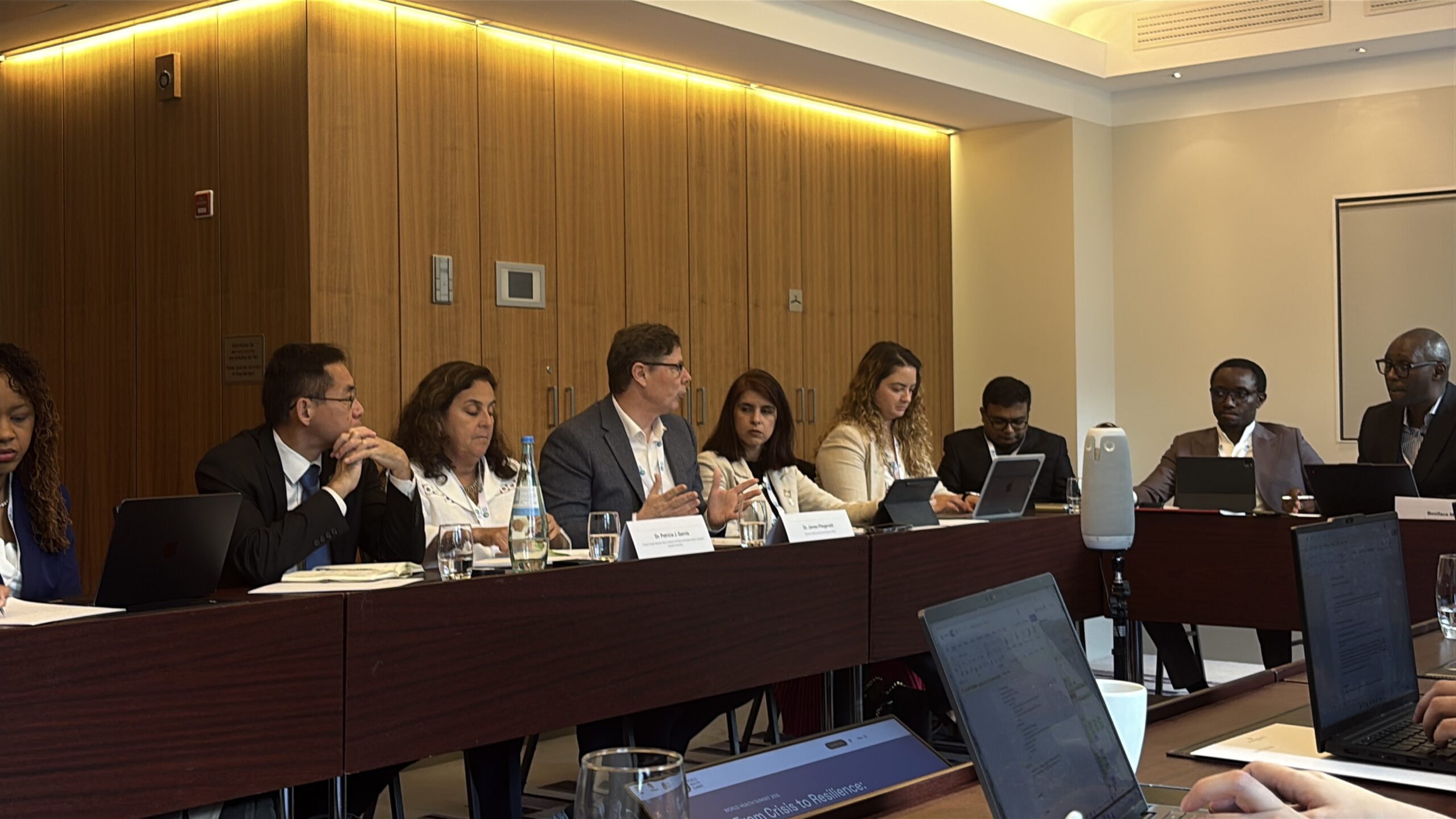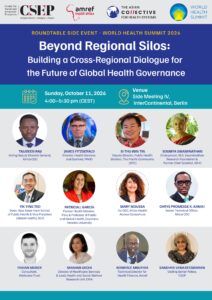
On Sunday, 11 October, at the World Health Summit 2026 in Berlin, the Centre for Social and Economic Progress (CSEP), The Asian Collective For Health Systems (TACHS) and Amref Health Africa convened a cross-regional roundtable bringing together perspectives from Africa, Asia, the Pacific Islands, Latin America and the Caribbean.
The discussion offered a valuable opportunity to move beyond broad calls for regional cooperation and examine the institutional arrangements, governance mechanisms and processes that make regional collaboration work in practice.
Pan American Health Organization (PAHO): Dr James Fitzgerald highlighted regional mechanisms such as the revolving fund for vaccine procurement, the Strategic Fund and initiatives to strengthen primary healthcare.
The Pacific: Dr Si Thu Win Tin shared the experience of the Healthy Islands vision demonstrated the value of a shared long-term regional agenda, collective accountability and locally adapted implementation.
Contributions from colleagues across Latin America and the Caribbean and Asia further enriched the discussion, bringing forward important questions around areas of cooperation, political commitment, trust and the role of regional institutions in translating shared priorities into action.
One message emerged clearly: we have much to learn from one another. Regions across the Global South face many common challenges and we have developed different institutional arrangements and mechanisms to address them. A more systematic exchange of these experiences could help regions adapt successful approaches to their own contexts, learn from what has not worked, and avoid reinventing the wheel.
The roundtable also generated strong interest in taking this conversation forward. Participants underscored the need to move beyond one-off exchanges towards a more structured and sustained approach to cross-regional learning, connecting regional institutions and their Member States and strengthening the voice of the Global South in global health governance.