
Developing Competencies for a Climate-Resilient Health Workforce in South and Southeast Asia

Across South and Southeast Asia, climate change is intensifying existing pressures on health systems. Heatwaves, flooding, shifting vector ecologies, and climate-sensitive disease outbreaks are increasing health service demand in contexts already characterised by workforce shortages, uneven infrastructure, and high baseline vulnerability. While there are no estimates of workforce requirements for addressing the health impacts of […]
Developing Competencies for a Climate-Resilient Health Workforce in South and Southeast Asia

Across South and Southeast Asia, climate change is intensifying existing pressures on health systems. Heatwaves, flooding, shifting vector ecologies, and climate-sensitive disease outbreaks are increasing health service demand in contexts already characterised by workforce shortages, uneven infrastructure, and high baseline vulnerability. While there are no estimates of workforce requirements for addressing the health impacts of […]
Tailoring climate–health competencies for diverse health cadres: Findings from a scoping review
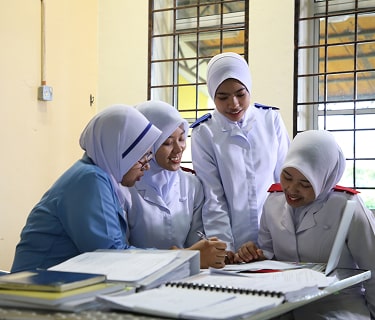
Introduction: Climate change poses a growing global health threat, disproportionately affecting low- and middle-income countries (LMICs) with fragile health systems and limited adaptive capacity. The health workforce plays a critical role in managing climate-sensitive health risks but often lacks adequate training. Building climate-resilient health systems therefore requires equipping health workers with the relevant knowledge, skills, […]
Climate–Health Governance in South and Southeast Asia
South and Southeast Asia are among the most climate-sensitive regions in the world, facing some of the greatest projected losses in health, lives, and livelihoods. Countries in the region experience a convergence of dense populations, rapid urbanisation, resource constraints, uneven governance capacity, and high exposure to extreme weather events. These factors make them central to […]
Forging a Shared Path to COP30: Regional Lessons for Transformative Climate and Health Governance in Asia
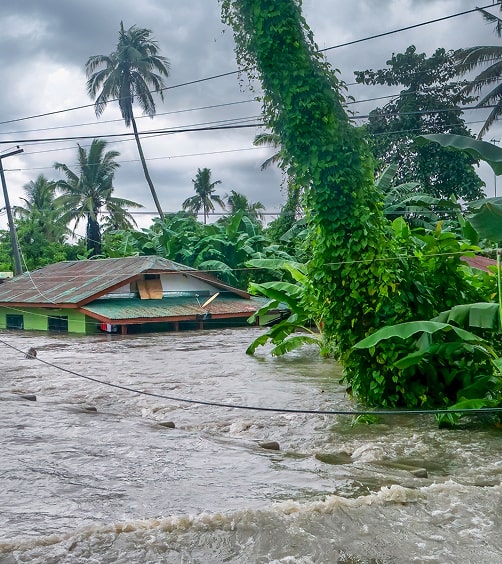
This statement reflects the shared understanding and lessons emerging from a regional virtual dialogue convened on 6 October 2025 by the Asian Collective for Health Systems (TACHS), let by its partners the Centre for Social and Economic Progress (CSEP), the United Nations University–International Institute for Global Health (UNU–IIGH), and the Public Health Foundation of India […]
A roadmap for global health diplomacy by India in the era of climate change
The COVID-19 pandemic brought global health security issues back to mainstream geopolitical engagement, but the inadequacies of current global governance mechanisms that it exposed remain. In the wake of COVID-19, India seems to be actively embracing health as a tool of multilateral diplomacy, seeking to take its place as one of the rule-creators in the […]
Save children from climate extremes

Governments in South Asia, which is highly vulnerable to the health impacts of climate change, must integrate child welfare into climate policies. Last summer, record-breaking temperatures, soaring above 50 degrees in some regions, were observed across South Asia including in Bangladesh, Pakistan, and India. The extreme heat triggered widespread health alerts, prompting governments to issue […]