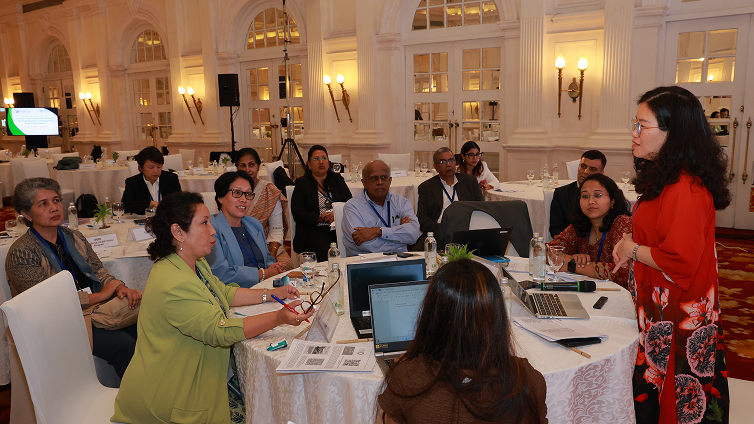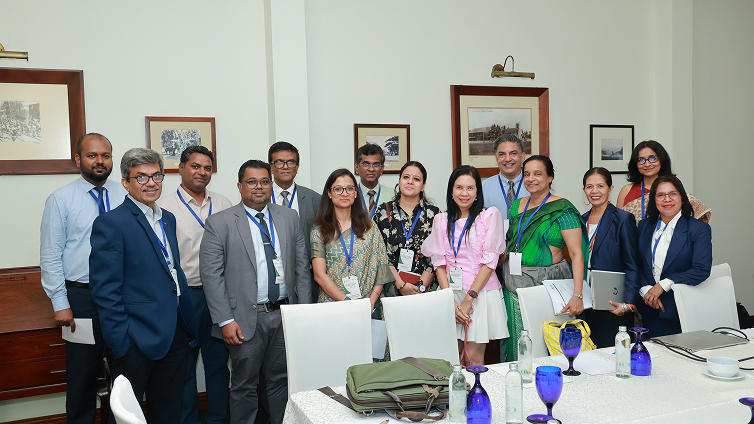

This Paper is based on participant discussions at the Regional Workshop on Human Resources for Health, Co-organized by The Asian Collective for Health System and WHO SEARO in Sri Lanka, 3-5 July 2025. It examines the drivers and implications of health workforce migration and identifies ethical and sustainable strategies for managing it.
The international migration of health workers represents a critical challenge for global health governance amid a projected shortage of 10 million health workers by 2030. This deficit, shaped by demographic transitions, non-communicable disease burdens, and recurrent crises such as pandemics and climate emergencies, disproportionately affects low- and middle-income countries (LMICs) while high-income countries (HICs) increasingly depend on international recruitment. South and Southeast Asia have emerged as major source regions, particularly for nurses and physicians, reflecting broader structural inequities in global health systems.
The paper explores the role of global governance instruments, such as the revised WHO Global Code of Practice, alongside opportunities for South-South cooperation to mitigate risks and enhance regional resilience. It also includes a Sri Lanka case study, developed by Dr. H.M.A.C.B. Herath and Dr. Lahiru Kodithuwakku, to illustrate the complex national dynamics shaping migration. Ultimately, it calls for coordinated regional approaches to ensure equitable workforce distribution and sustainable progress toward universal health coverage.