
Global health governance is at an inflection point, marked by institutional fragmentation, geopolitical shifts, and eroding trust in multilateral systems. Against this backdrop, South and Southeast Asia face both urgent shared health challenges and an unprecedented opportunity to reshape their role in global health architecture.
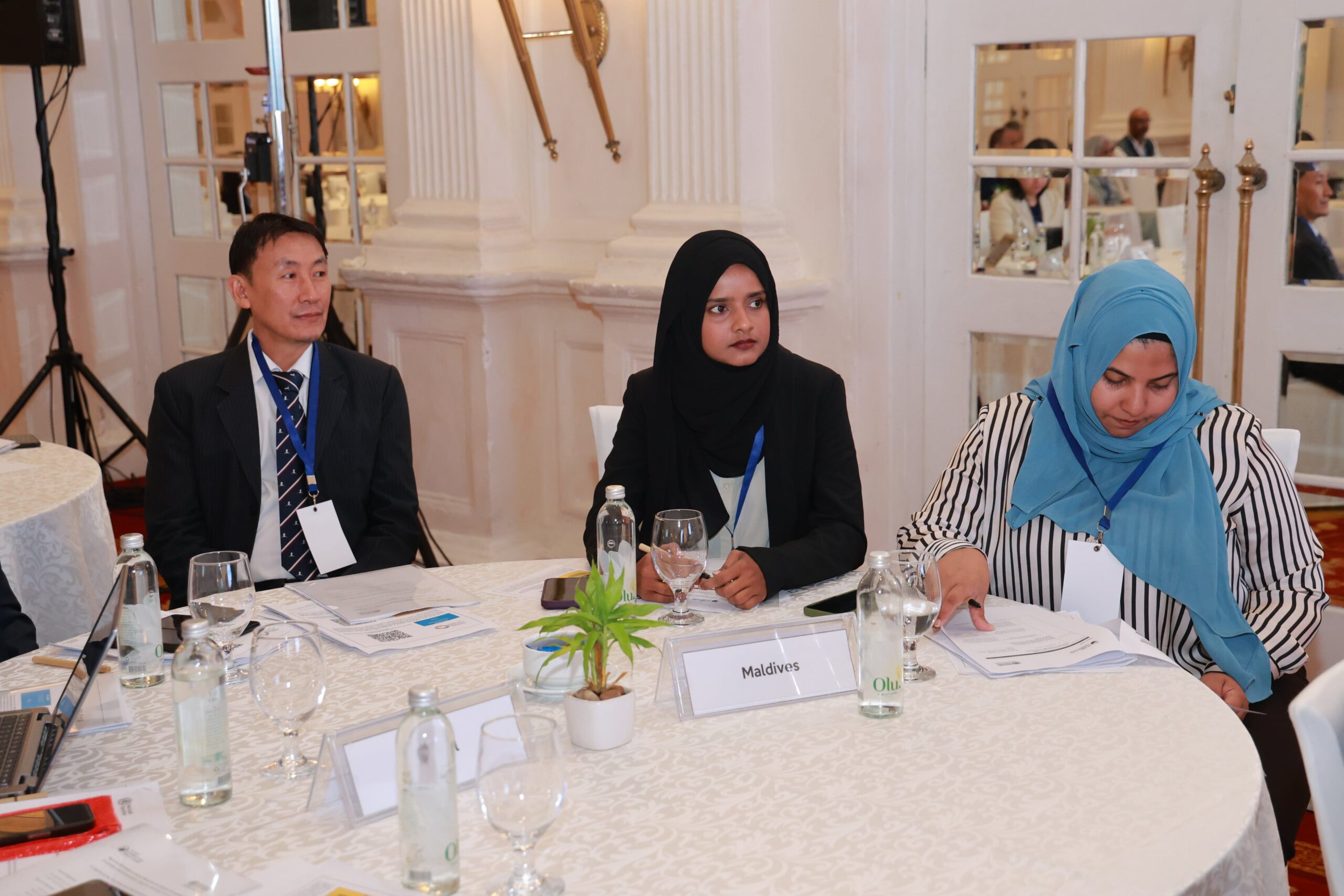
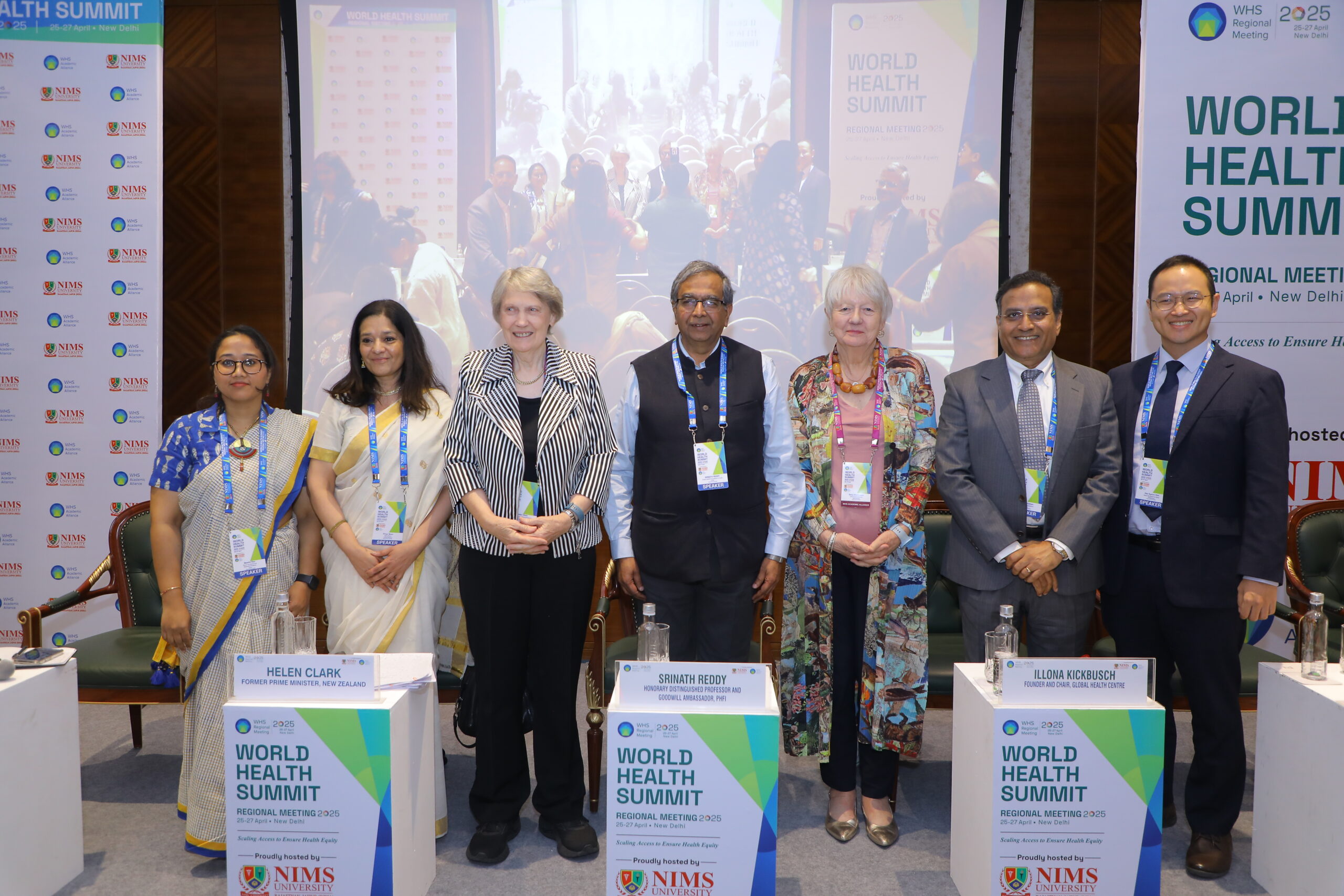
This blog draws on a regional consultation convened by the Centre for Social and Economic Progress (CSEP) and the United Nations University–International Institute of Global Health (UNU-IIGH) in New Delhi in November 2025, bringing together government officials, scholars, and practitioners from across the region.
Rather than calling for wholesale institutional replacement, participants identified three priority areas for regional cooperation: cross-border knowledge exchange, governance of transboundary health threats, and pooled resources for collective negotiation. While South and Southeast Asia may not yet act collectively, the region is beginning to think collectively and that navigating the current rupture through flexible, issue-driven coalitions may be the most pragmatic pathway to a more equitable and resilient global health order.