
South and Southeast Asia in Global Health Governance: A Regional Perspective

Executive Summary Global health governance (GHG) is undergoing a significant transformation. Over the past three decades, the institutional architecture underpinning global health has shifted from a predominantly intergovernmental model (for example, the World Health Organization [WHO]) to a dense and multi-layered web of actors including multilateral development banks (MDBs), global public–private partnerships (GPPPs), philanthropic organisations, […]
Primary Healthcare in South and Southeast Asia
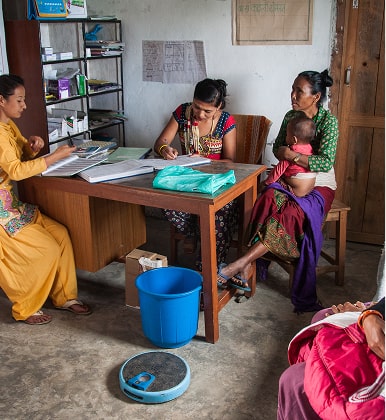
Executive Summary Primary healthcare (PHC) is considered to be the bedrock of resilient, equitable, and efficient healthcare systems. Evidence suggests that a PHC system that facilitates coordinated care with integration across levels of care can improve health outcomes, enhance financial protection, and reduce burden on hospitals by emphasising prevention, early diagnosis, and community-based care. Therefore, […]
Improving global and regional health governance and cooperation: perspective of South and Southeast Asia

This document serves as a briefing paper, produced by the Centre for Social and Economic Progress (CSEP) and the United Nations University International Institute for Global Health (UNU-IIGH) under the umbrella of The Asian Collective for Health Systems (TACHS). It collates a broad spectrum of data and information, based mostly on a non-systematic desk review […]
Tailoring climate–health competencies for diverse health cadres: Findings from a scoping review
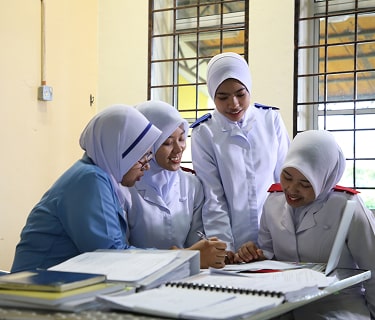
Introduction: Climate change poses a growing global health threat, disproportionately affecting low- and middle-income countries (LMICs) with fragile health systems and limited adaptive capacity. The health workforce plays a critical role in managing climate-sensitive health risks but often lacks adequate training. Building climate-resilient health systems therefore requires equipping health workers with the relevant knowledge, skills, […]
Climate–Health Governance in South and Southeast Asia

South and Southeast Asia are among the most climate-sensitive regions in the world, facing some of the greatest projected losses in health, lives, and livelihoods. Countries in the region experience a convergence of dense populations, rapid urbanisation, resource constraints, uneven governance capacity, and high exposure to extreme weather events. These factors make them central to […]
Shifting power dynamics in global health governance – a challenge and an opportunity for Asia and the Global South
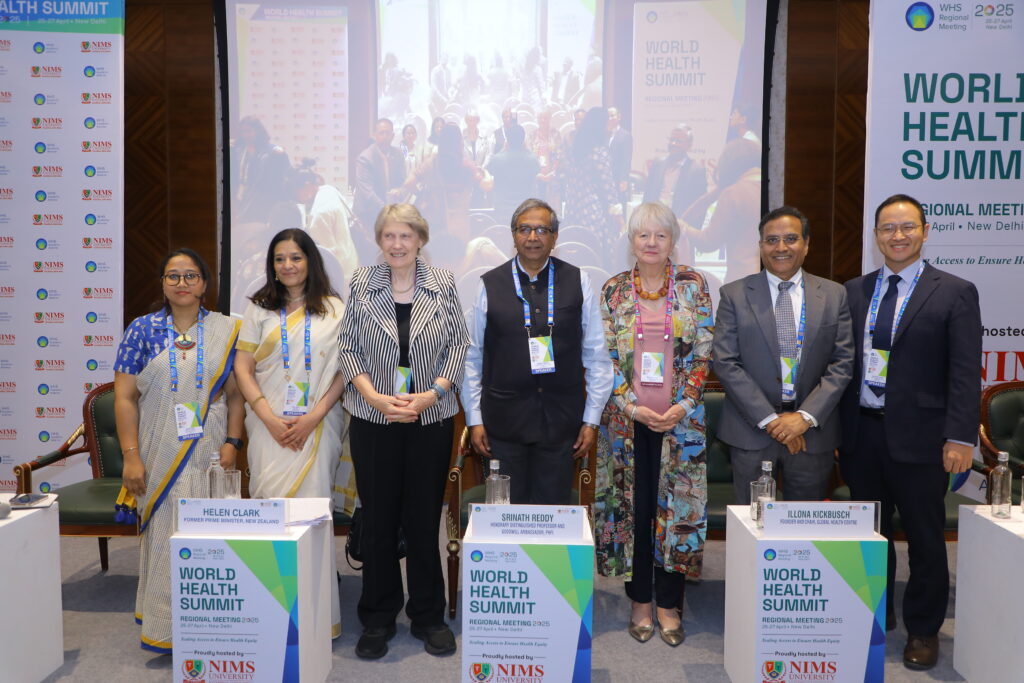
The COVID-19 pandemic and subsequent geopolitical shifts have exposed fundamental weaknesses in global health governance, creating both challenges and opportunities for Asia and the Global South. This commentary, emerging from the Regional World Health Summit in New Delhi (April 2025), examines how countries in South and Southeast Asia are responding to these pressures through enhanced […]
Health Networks and Platforms in Asia: A Background Analysis for The Asian Collective for Health Systems

As a precursor to the launch of the Collective, a landscaping exercise was carried out to examine the existing networks and platforms in Asia in order to inform the need, objectives and vision of the Asian Collective based on the gaps and areas for further strengthening identified through analysis. The report was titled Health Networks […]